History of chocolate: who invented it, and how it reached Europe
Published
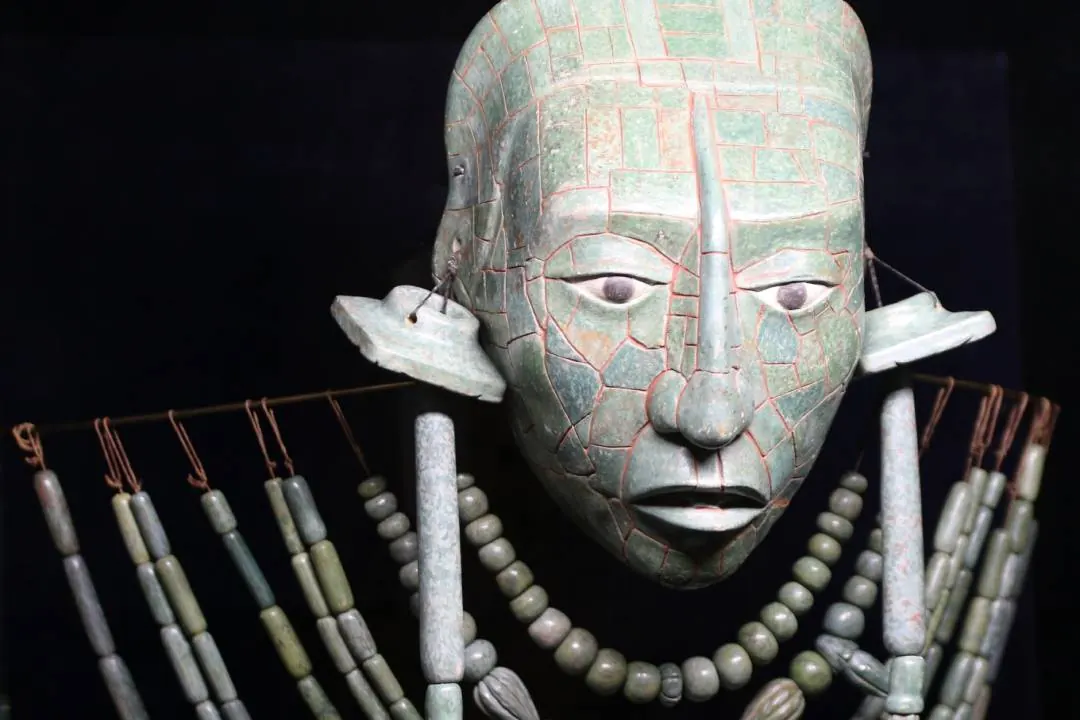
Chocolate is one of the few foods almost everyone loves — and one of the few with a 5,000-year history behind it. It began as a bitter, spiced drink for gods and kings in the Americas, crossed the Atlantic on Spanish ships, became the fashionable drink of Europe’s royal courts and, only in the 19th century, turned into the bar and the praline we know today. Here is the story in short, with the questions people ask most.
Who invented chocolate?
No single person invented chocolate. It was developed over thousands of years by the peoples of the Americas, who discovered that the seeds of the cacao tree — fermented, dried, roasted and ground — could be turned into a rich drink. The Olmecs, the Maya and the Aztecs each added something to the recipe. What Europeans later “invented” were the techniques that made chocolate cheap, sweet and solid: the cocoa press (1828), the first chocolate bar (1847), milk chocolate (1875), the conche (1879) and the filled praline (1912).
When was chocolate invented?
The oldest evidence of people using cacao is around 5,300 years old. In 2018, archaeologists published traces of cacao — starch grains, theobromine and ancient cacao DNA — in pottery from Santa Ana-La Florida in the upper Amazon of south-eastern Ecuador, a site of the Mayo-Chinchipe culture. Whether these people grew cacao or collected it from wild trees is still debated.
In Mesoamerica, where chocolate as a drink really took shape, the earliest chemical traces come from pottery of the Mokaya people at Paso de la Amada on the Pacific coast of Mexico, dated to about 1900 BC, and from the Olmec region a little later. These finds are based on only a few vessels, so the exact dates may still change as research continues.
Where does cocoa come from?
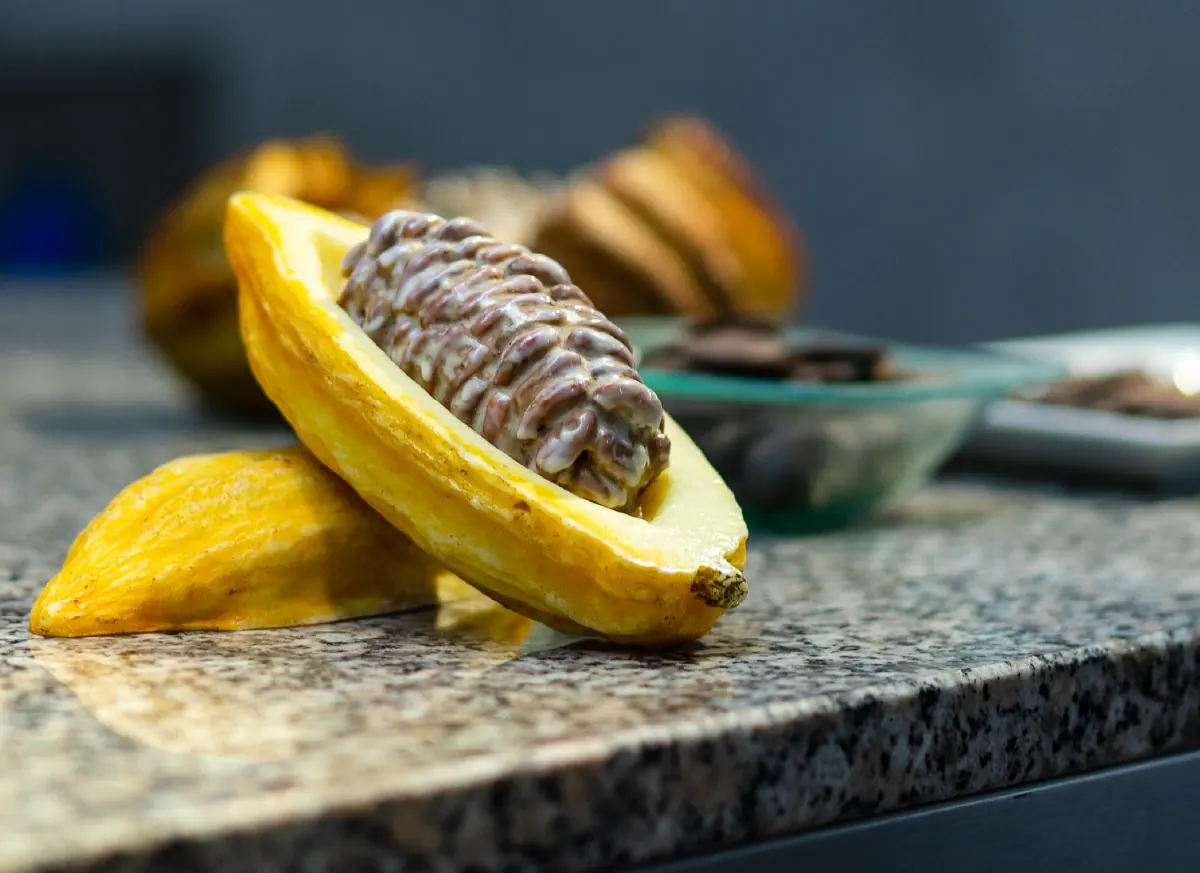
Cocoa comes from the seeds of Theobroma cacao, a small tree that grows only in the hot, humid belt about 20 degrees north and south of the equator. The tree’s genetic home is the upper Amazon basin in South America; from there it spread north to Central America and Mexico, where it was cultivated for thousands of years. In 1753 the Swedish botanist Carl Linnaeus gave it its scientific name — Theobroma means “food of the gods” in Greek.
The fruit, called a pod, grows directly on the trunk and thick branches. Inside are 30 to 50 seeds wrapped in sweet white pulp: these are the cocoa beans. Today most cocoa is grown in West Africa, especially Côte d’Ivoire and Ghana, but also in Latin America and Asia. Read more in our articles on where cocoa comes from and on the three types of cocoa tree: Criollo, Forastero and Trinitario.
The Maya: chocolate for gods and kings
For the Maya, cacao was a sacred plant that appears in their myths, art and rituals. They drank it bitter, often with chili, vanilla or flowers, and poured it from one vessel to another to raise a thick foam — the most prized part of the drink. A Maya vessel found at Río Azul in Guatemala, around 1,500 years old, is painted with the hieroglyph for cacao, and chemists found chocolate residue inside: a label and its contents, both preserved.
Chocolate was served at feasts, weddings and ceremonies, and cacao beans were given as offerings. It was a drink for the elite, but cacao itself was part of everyday trade.
The Aztecs, xocolatl and cocoa beans as money
The Aztecs of central Mexico could not grow cacao in their cool highland climate, so they obtained it through trade and as tribute from conquered regions. That made it precious. Cacao beans were used as small change: a price list from Tlaxcala in 1545 — already under Spanish rule — values a ripe avocado at one bean, a turkey egg at three beans and a good turkey hen at about one hundred. Some people even made counterfeit beans by filling empty shells with clay or earth.
The Aztec drink, usually called cacahuatl, was cold, frothy and spiced, and was mainly for nobles, warriors and wealthy merchants. According to the Spanish chronicler Bernal Díaz del Castillo, the ruler Moctezuma was served dozens of jars of frothed cacao at his meals. Where the word “chocolate” comes from is not entirely clear: it is often traced to the Nahuatl xocolatl, but linguists also suggest other origins, such as chicolatl. Want to try it? Here is our recipe for the original Aztec xocolatl, and more about cocoa beans as money.
How did chocolate reach Europe?
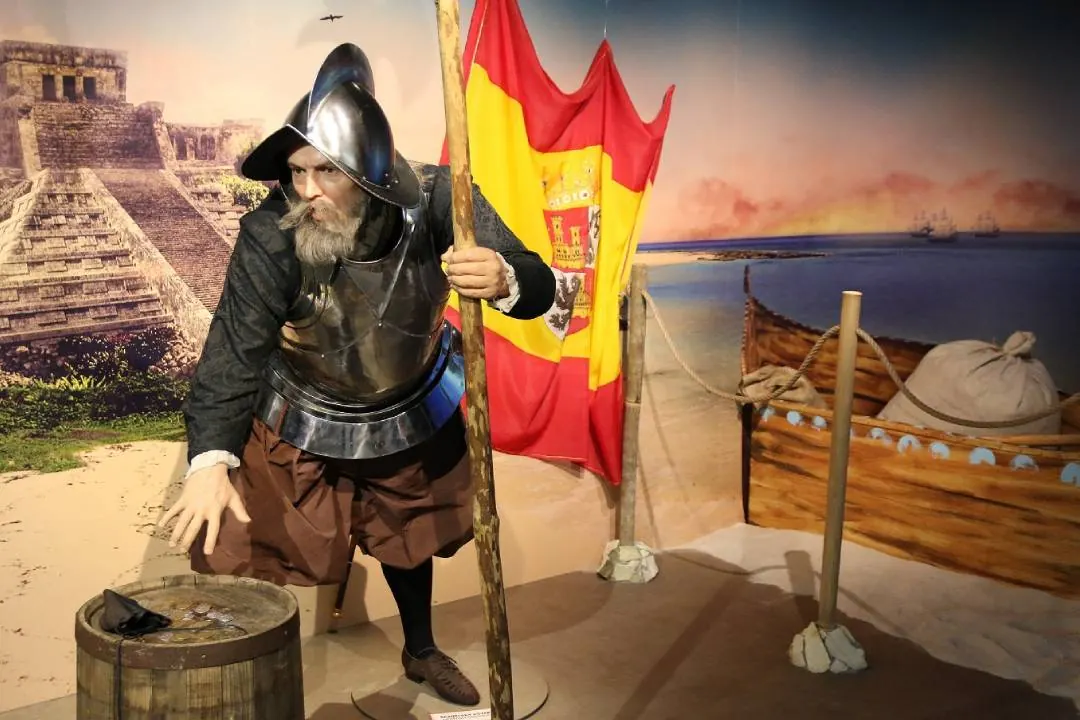
The first Europeans to see cacao were Christopher Columbus and his crew. In 1502, on his fourth voyage, they met a large Maya trading canoe off the island of Guanaja near Honduras, carrying cacao beans among its goods. The Spaniards noticed that the locals treated the beans as very valuable — but they had no idea why.
Less than twenty years later, Hernán Cortés and his men saw cacao at the Aztec court. A popular story says that Cortés himself brought chocolate to Spain, but there is no solid evidence for it. The first recorded appearance of chocolate in Europe dates to 1544, when Dominican friars brought a delegation of Kekchi Maya nobles from Guatemala to the court of the future King Philip II of Spain. Among their gifts were vessels of beaten chocolate. Regular cargoes of cacao to Spain followed later in the 16th century.
The Spanish adapted the drink to their taste: they served it hot and sweetened it with cane sugar, cinnamon and vanilla. For decades chocolate remained a Spanish speciality.
Chocolate at the royal courts of Europe
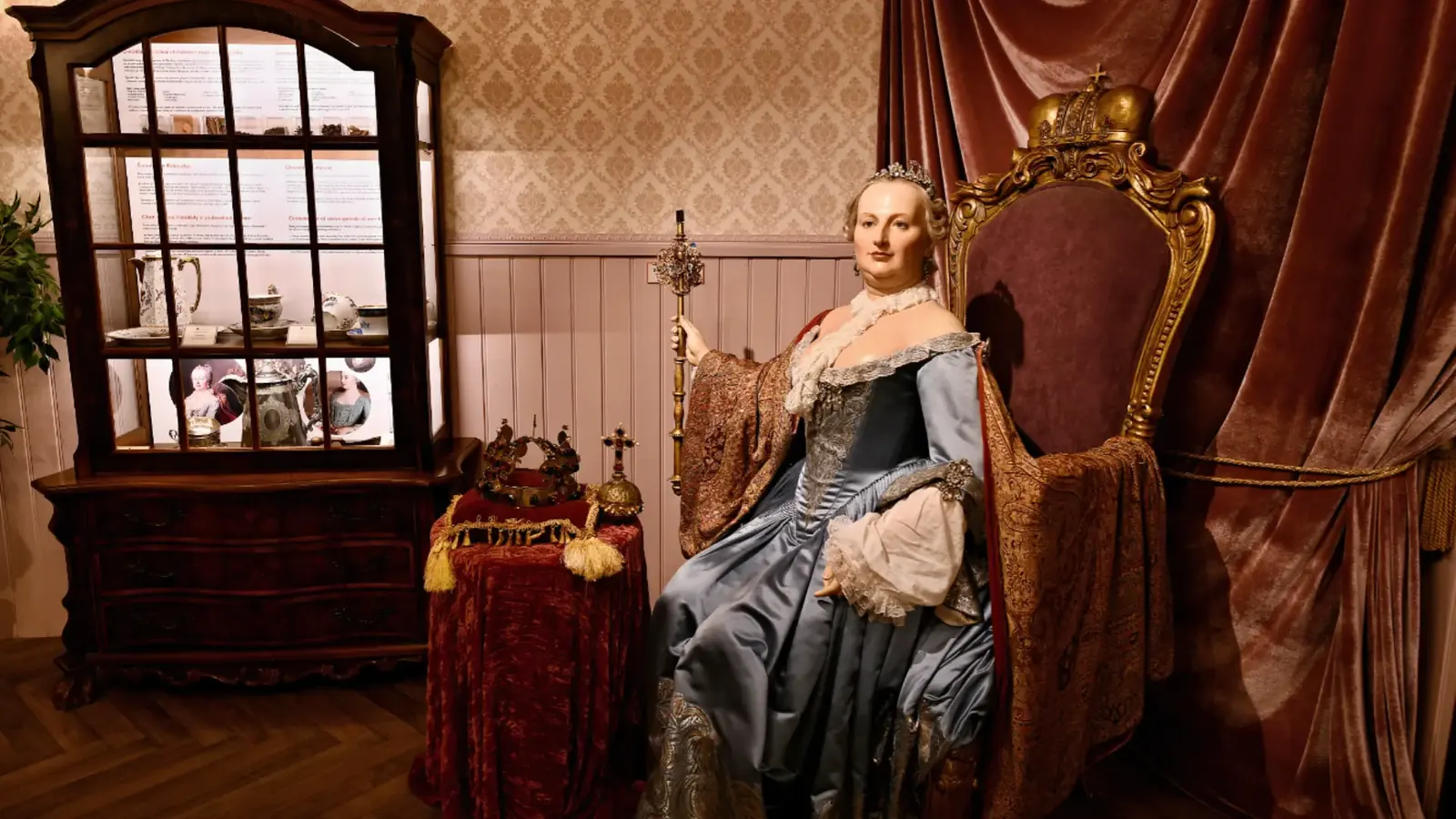
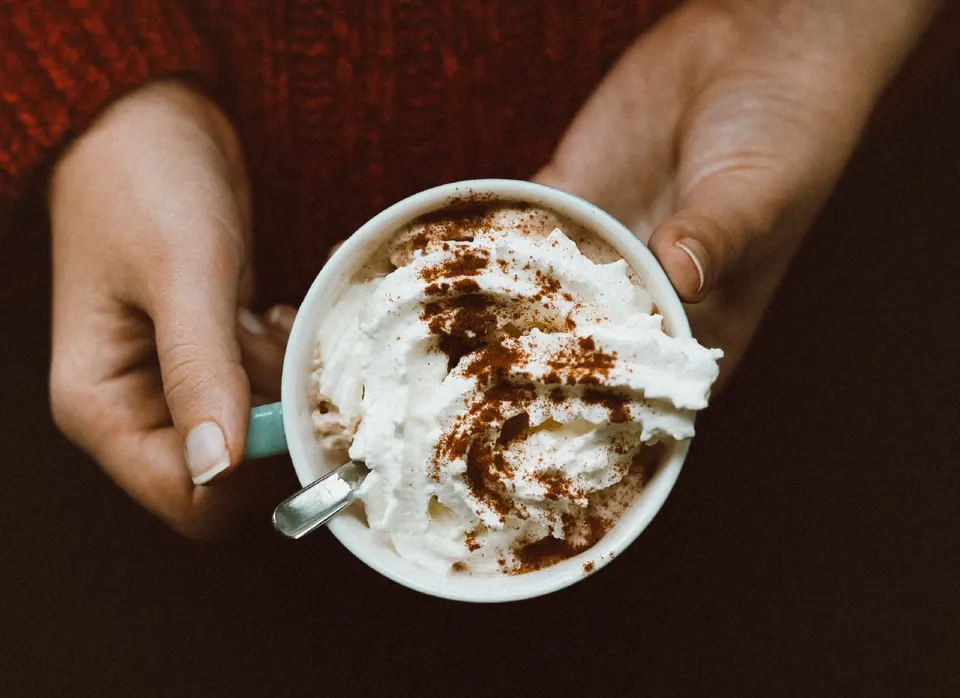
In the 17th century, chocolate spread from Spain across Europe — through monasteries, merchants and royal marriages. Spanish princesses who married into the French court are traditionally credited with making it fashionable in Paris, and in the 1650s the first chocolate houses opened in London. Hot chocolate became the drink of the aristocracy, served in special porcelain cups and pots with a wooden whisk, the molinillo, to froth it.
Chocolate was also sold in pharmacies and was long considered a medicine: doctors prescribed it as a tonic, against weakness and for digestion. Churchmen debated whether drinking it broke the fast.
Chocolate in Bohemia and Prague
The Czech lands had close ties to Spain through the Habsburgs — Emperor Rudolf II, who made Prague his capital, was brought up at the Spanish court. According to the Czech historian Karel Černý, the oldest Czech mention of cocoa dates from before 1650, and early on chocolate seems to have been popular above all among the clergy. For a long time it remained a luxury. Only in the 19th century did the first chocolate factories appear in the Czech lands, and chocolate slowly became affordable.
From drink to bar: the chocolate revolution of the 19th century
Until the 1800s, chocolate was almost always a drink. A handful of inventions changed everything:
- 1828 – the cocoa press. In the Netherlands, Coenraad van Houten patented a method of pressing most of the fat — cocoa butter — out of ground cocoa. What remained could be ground into cocoa powder, which mixed far more easily with water or milk. The separated cocoa butter became the key to solid chocolate.
- 1847 – the first chocolate bar. J. S. Fry & Sons of Bristol, England, mixed cocoa, sugar and extra cocoa butter into a paste that could be poured into moulds. Their bar is generally considered the first solid chocolate made for eating.
- 1875 – milk chocolate. In Vevey, Switzerland, Daniel Peter combined chocolate with condensed milk made by his neighbour Henri Nestlé. After years of experiments, the result was a sweet, mild chocolate that conquered the world.
- 1879 – the conche. Rodolphe Lindt in Bern built a machine that stirred chocolate for hours, even days. Conching makes chocolate smooth and melt-in-the-mouth — until then it was rather gritty.
Factories, cheaper sugar and new machines turned chocolate from a luxury into an everyday treat. Brands appeared that are still famous today.
The Belgian praline
Belgium is the country of the praline. In 1912, Jean Neuhaus, whose family ran a confectionery and pharmacy in the Galerie de la Reine in Brussels, created the first chocolate with a soft filling — the Belgian praline. In 1915 his wife Louise Agostini designed the ballotin, the elegant cardboard box that keeps the pralines from being crushed, and that is still used for Belgian chocolates today. Belgian chocolate is known for its high cocoa content, the exclusive use of cocoa butter and fine fillings such as gianduja and ganache.
How is chocolate made today?
From the tree to the bar, cocoa goes through many steps — most of them on farms in the tropics, the rest in chocolate factories:
- Harvest. Ripe pods are cut from the trees by hand with machetes and opened.
- Fermentation. The beans and pulp are left in heaps or boxes for about five to seven days. Fermentation develops the flavour precursors — without it there is no chocolate taste.
- Drying. The beans are dried, usually in the sun, until only a little moisture remains, then packed into sacks and shipped.
- Roasting. At the factory, the beans are cleaned and roasted, which brings out the typical aroma.
- Winnowing. The shells are cracked and blown away, leaving pieces of bean called cocoa nibs.
- Grinding. The nibs are ground into a thick paste: cocoa mass (cocoa liquor). Part of it can be pressed to separate cocoa butter and cocoa powder.
- Mixing and refining. Cocoa mass is mixed with sugar, extra cocoa butter and — for milk chocolate — milk powder, then rolled until the particles are too small to feel on the tongue.
- Conching. The chocolate is stirred and warmed for hours to make it smooth and round off the flavour.
- Tempering and moulding. Careful heating and cooling make the cocoa butter set in the right crystals, so the chocolate is glossy and snaps cleanly. It is then poured into moulds or used to coat fillings.
Dark chocolate contains cocoa mass, cocoa butter and sugar; milk chocolate adds milk; white chocolate is made from cocoa butter, sugar and milk, without cocoa solids.
A short timeline of chocolate
- c. 3300 BC – earliest known traces of cacao use, Santa Ana-La Florida, Ecuador.
- c. 1900 BC – earliest chemical traces of cacao in Mesoamerica (Mokaya, Mexico).
- c. 250–900 AD – Classic Maya: cacao in art, rituals and feasts.
- 15th–16th century – the Aztecs use cacao beans as currency.
- 1502 – Columbus meets a Maya trading canoe carrying cacao.
- 1544 – first recorded chocolate in Europe, at the Spanish court.
- 17th century – chocolate spreads to Europe’s royal courts.
- 1828 – van Houten’s cocoa press.
- 1847 – Fry’s first chocolate bar.
- 1875 – milk chocolate (Daniel Peter and Henri Nestlé).
- 1879 – Rodolphe Lindt invents conching.
- 1912 – Jean Neuhaus creates the Belgian praline in Brussels.
Discover the history of chocolate in Prague
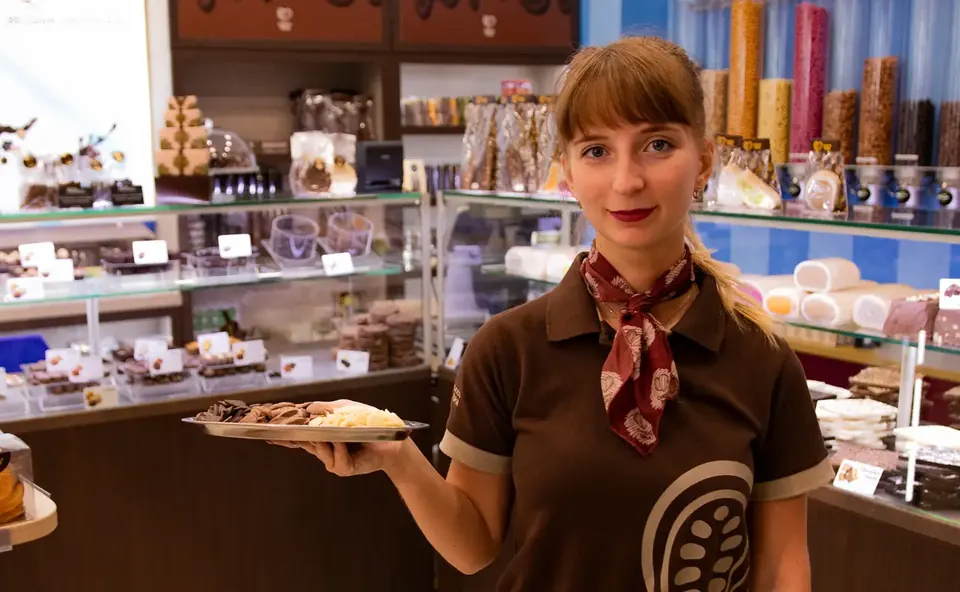
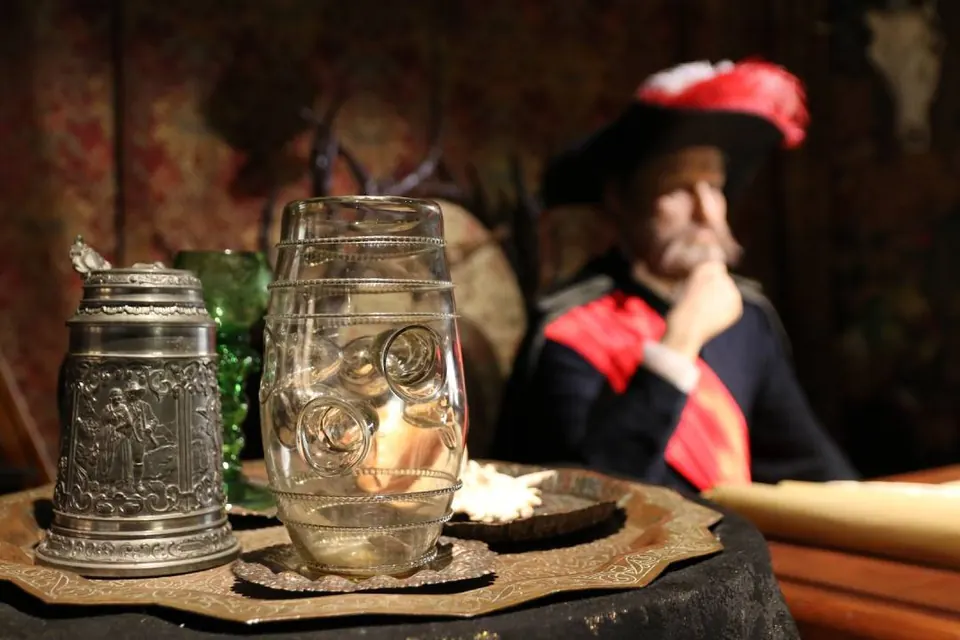
At the Choco-Story Chocolate Museum, a few steps from Old Town Square, this whole story comes to life in seven rooms: from the Maya and Aztecs, through the Spanish ships and the royal salons, to the Belgian praline — with wax figures, authentic objects and interactive displays. The visit takes about 30–45 minutes, with an audio guide in 13 languages, and ends with a tasting of up to five kinds of Belgian chocolate.
Want to go one step further? In our chocolate workshop you make and decorate your own chocolate bars under the guidance of our chocolatiers. The museum is open daily from 10:00 to 22:00 — book your tickets online.